So, what is a CDN? A CDN is an abbrieviation for “Content Delivery Network.”
A content delivery network is a series of servers designed to deliver your website content to your visitors as quickly as possible, regardless of where they are located.
So, what is a CDN? A CDN is an abbrieviation for “Content Delivery Network.”
A content delivery network is a series of servers designed to deliver your website content to your visitors as quickly as possible, regardless of where they are located.
Google G-Suite (Now called Google Workspace) has been a part of many small businesses for a long time. As such, these companies have come to depend on G-suite and its many tools. Throughout the 16+ years that the Workspace has been available, there have been many changes, tools, and revisions, but the free use of the program has made it quite appealing to the company looking to do more and spend less. However, Google has recently announced that “G suite legacy free edition will be no more beginning this year.”
So, the side hustle you started a few months ago has taken off in a huge way, and now you find yourself taking the next steps towards becoming a formal business. One step likely includes whether or not to have a website, and then whether to build it yourself or hire a web designer. The decision to have a website is important and should not be something you look to do for the lowest price possible. After all, this is your company’s online presence.
Not convinced that a website is essential or something to invest a portion of your budget into? Consider this: a recent report found that the average internet user spends 6.75 hours per day on the web. This means that if you want people to know about your business, it is vital to go where they will find you- and this means being online.
But it is more than just being online- it is having a compelling and engaging website so that people will want to see what you have to offer. To do this, you need a web designer who understands what it takes to design an effective website.
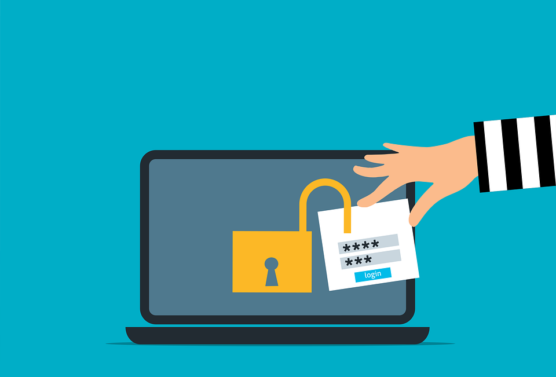
Recently, GoDaddy announced that 1.2 million of their WordPress customers had been affected by unauthorized access. This breach was a result of GoDaddy’s use of plaintext passwords. This number does not include the many customers whose websites have been affected by the breach.
The breach officially occurred in early September but was not identified until November 17th. GoDaddy responded quickly and took action to control and lessen the damage. However, it is believed that this data breach will have far-reaching consequences and that anyone who uses Go Daddy’s Managed WordPress arrangement should assume their site was affected until they hear otherwise.

Ready or not, Christmas is just around the corner. And while that may bring mixed feelings, one thing is safe to assume, more consumers will be doing online shopping. So, what can you do the make sure your website is ready for the extra activity? After all, you don’t just need to have the right products and services available you need to have a website that is inviting and easy to use and navigate. Failing to do this will result in lead bounces and ultimately affect your bottom line.
The word “Impostor” means “Phony, fraud, sham, pretender, cheat.”
Nobody likes to be taken advantage of or to have their hard work stolen. Unfortunately, this is a crime that has been committed for centuries, and the cyber world is no exception. And while many people are aware of hacking, scams, and ransomware attacks, there are two additional ways that criminals are using the web – creating impostor domains and email spoofing, also known as Business Email Compromise (BEC).
In recent weeks, the crime of Impostor Domains has made tech headlines. Impostor Domains, also known as a homoglyph, are defined by Glosbe as “a character identical or nearly identical in appearance to another, but which differs in the meaning it represents.” Microsoft defines the word as “the exploitation of similarities of alphanumeric characters by cybercriminals to create deceptive domains for unlawful impersonation of legitimate organizations.” The use of impostor domains is similar to another malicious practice is known as Typosquatting or URL hijacking, in which hackers intentionally register domains of well-known websites but with the domain intentionally misspelled.

The phrase ‘search engine optimization’ or the knowledge about ‘keywords’ is nothing new. They have been a part of website building for well over a decade. As such, many people walk into a meeting with a website designer or developer and eventually ask a question regarding keywords or SEO. However, while many people may toss these words around with ease, they don’t truly understand what they mean or what goes into crafting an effective SEO keyword strategy.
If you have heard of SEO or keywords but don’t fully understand what that means- no worries! SEO uses words specific to your industry/business (keywords) to help improve your website thus improving the quality and quantity of website traffic. SEO keywords are chosen to accomplish this improvement organically (unpaid) versus using a paid approach.
But there is a bit more to SEO keywords than simply integrating them into your site’s content. To be truly successful, you need to have a well-crafted SEO keyword strategy.

By now, nearly anyone with a website knows what search engine optimization (SEO) is and how important it is. But, have you heard of the Google Trends Tool? If not, then now is a great time to learn what it is and how to make it work for you and improve your SEO.
What is Google Trends?
We all know that Google has a myriad of tools that can be utilized to improve our web experience, but how many of these tools are you taking advantage of to benefit your website? If one of them is not Google Trends, then now is the time to start using it.
Originally introduced in 2006, Google Trends has gone through several iterations with the most recent one being in 2018. It is a free tool providing information on specific search terms, based on their popularity, and how they are being used YouTube and Google. When you use this tool, you will know what is trending, be in touch with local search trends and know what the popular topics and subtopics are within an industry or theme.
Having this type of knowledge can help you tailor your website and social media activity so that you rank higher in search engine results.